
How Roads and Engineering Structures Are Built
A road is far more than just a black ribbon of asphalt stretching across the landscape. Beneath every smooth daily commute lies a complex sequence of heavy engineering, precise measurements, and deep layers of treated earth designed to carry immense weight without shifting.
Ignoring the hidden stages of construction always leads to premature cracking, potholes, and costly repairs within just a few years. Understanding how modern transport routes come together requires looking beneath the surface at the foundational steps that keep heavy vehicles moving safely.
Ground Preparation and Earthworks
Before a single ton of stone arrives, the natural terrain must be shaped to accept the new weight. Topsoil contains organic matter that rots and settles over time, meaning it has to be stripped away completely across the entire right of way.
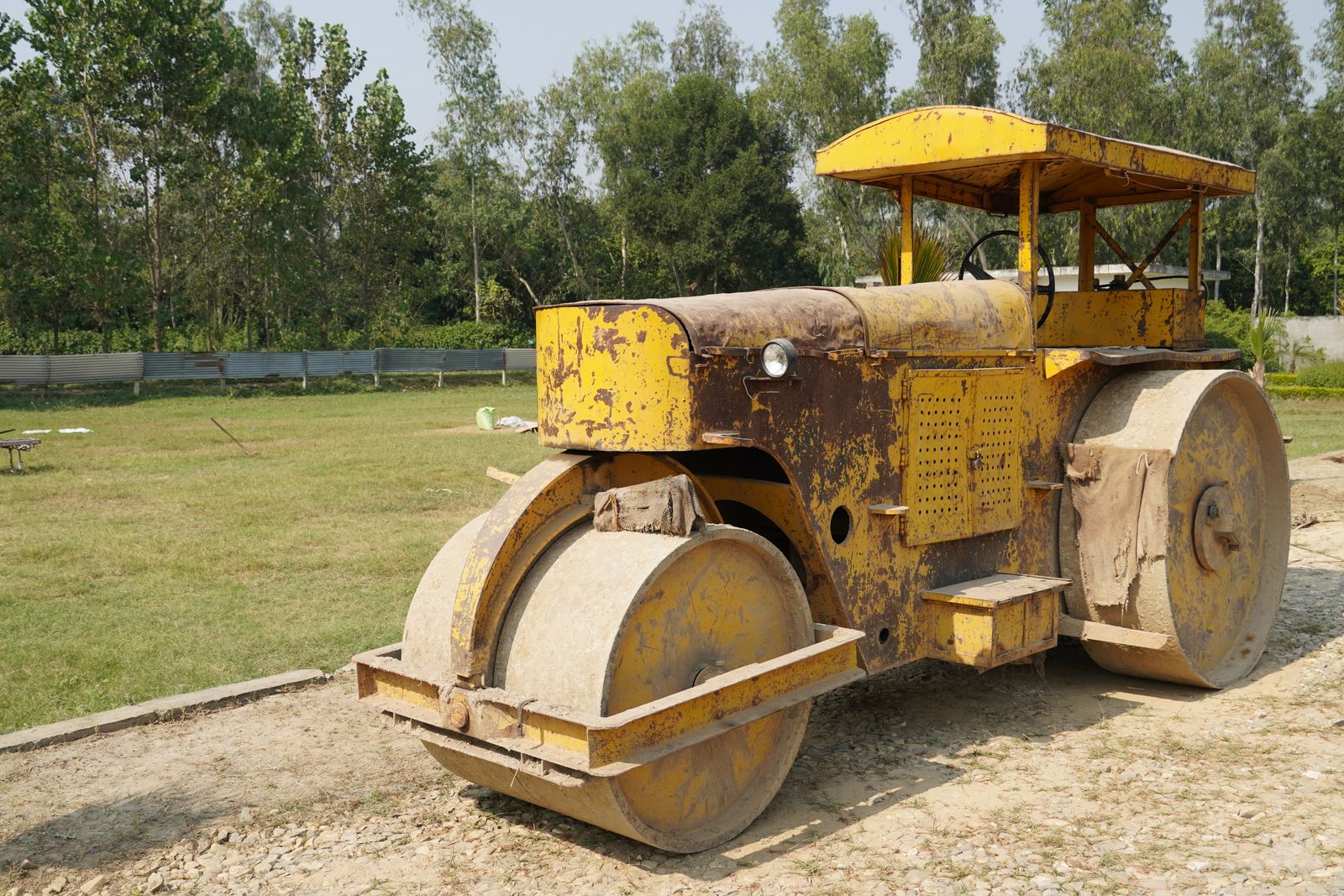
Heavy excavators and bulldozers cut through high spots and fill in low areas to establish the rough grade. Compaction is the critical task here, forcing air pockets out of the soil using vibrating rollers until the earth reaches maximum density and refuses to yield further under pressure.
Managing Water Through Drainage
Water remains the single greatest enemy of any paved surface. If moisture is allowed to pool beneath the structure, freezing winters will expand the trapped ice and shatter the material from the inside out.
Engineers install networks of perforated pipes, catch basins, and lined ditches long before the base goes down. These systems intercept groundwater and surface runoff, guiding the liquid safely away from the roadbed before it can soften the compacted earth below.
Constructing the Foundation Layers
Once the earth is dry and stable, the structural load-bearing layers are built up in careful stages. Each tier serves a specific purpose in distributing the massive weight of transport trucks over a wider area of soil.
- Subbase gravel provides the first coarse platform to bridge minor soft spots in the subgrade.
- Crushed stone aggregate locks together tightly under heavy rollers to form a rigid structural plate.
- Bitumen-stabilized layers are sometimes added to bind the upper stone matrix against lateral movement.
- Geotextile fabrics separate different soil strata to prevent fine silt from contaminating the coarse stone.
- Edge restraints keep the outer shoulders from crumbling under the repeated impact of wandering tires.
Asphalt Laying and Compaction
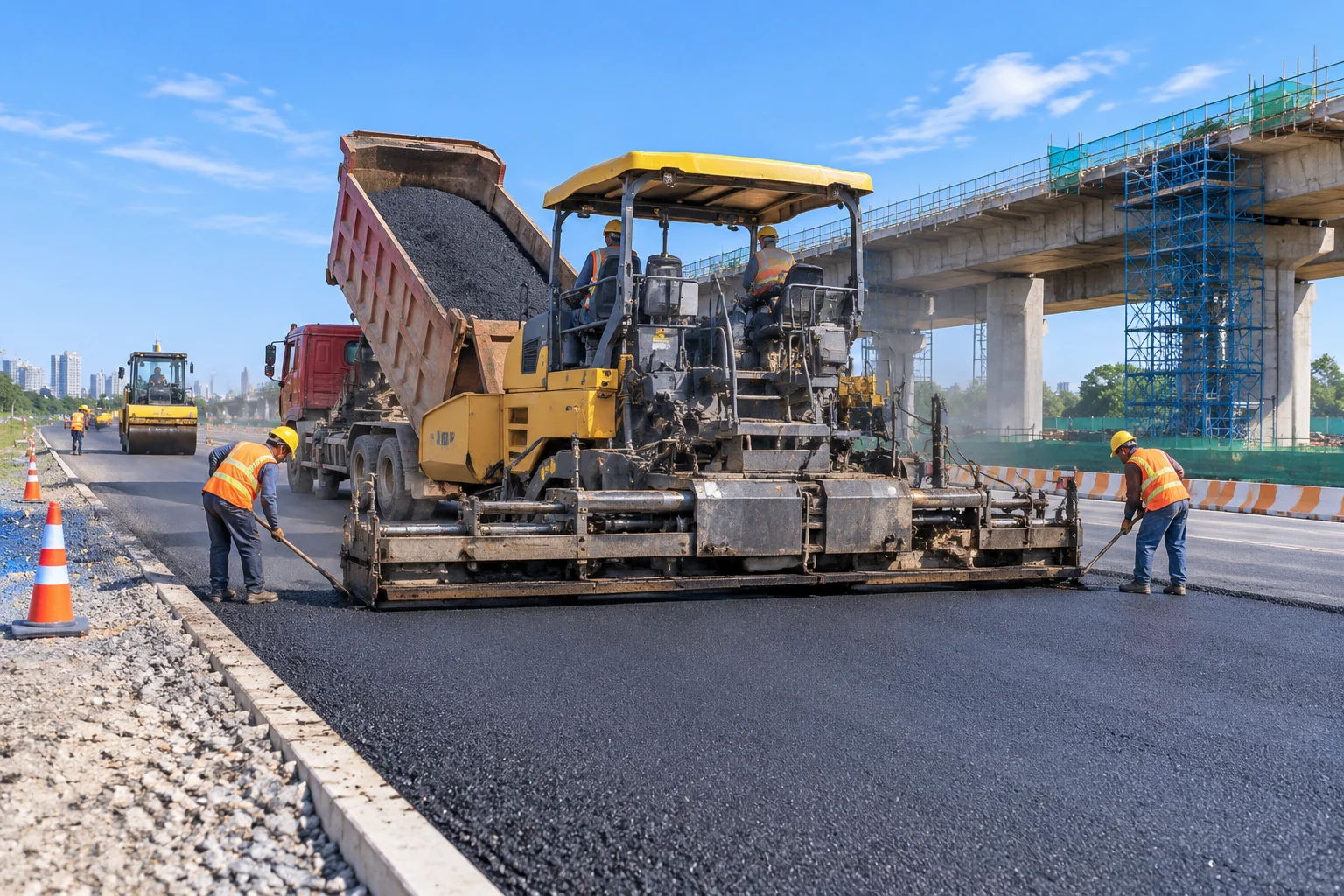
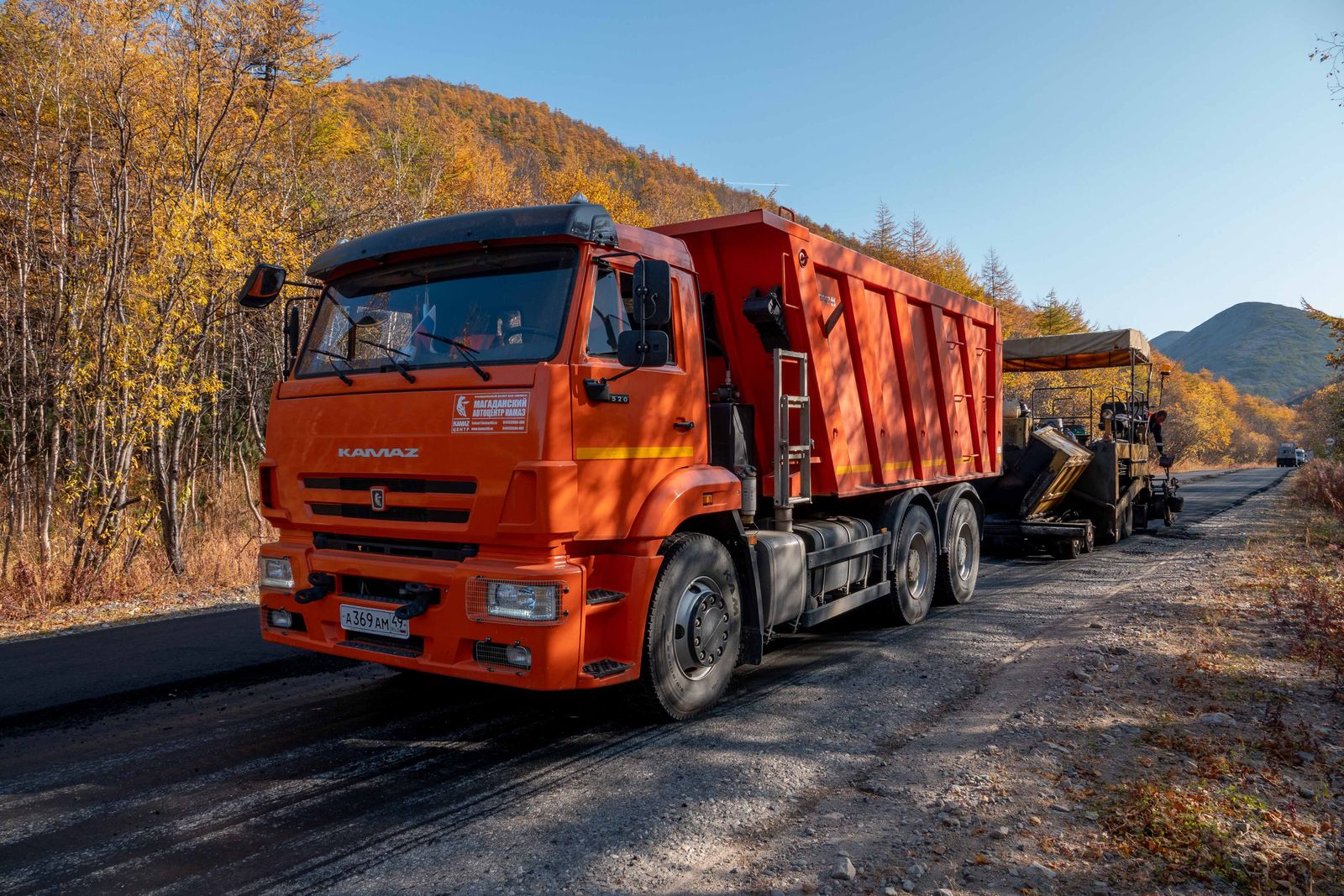
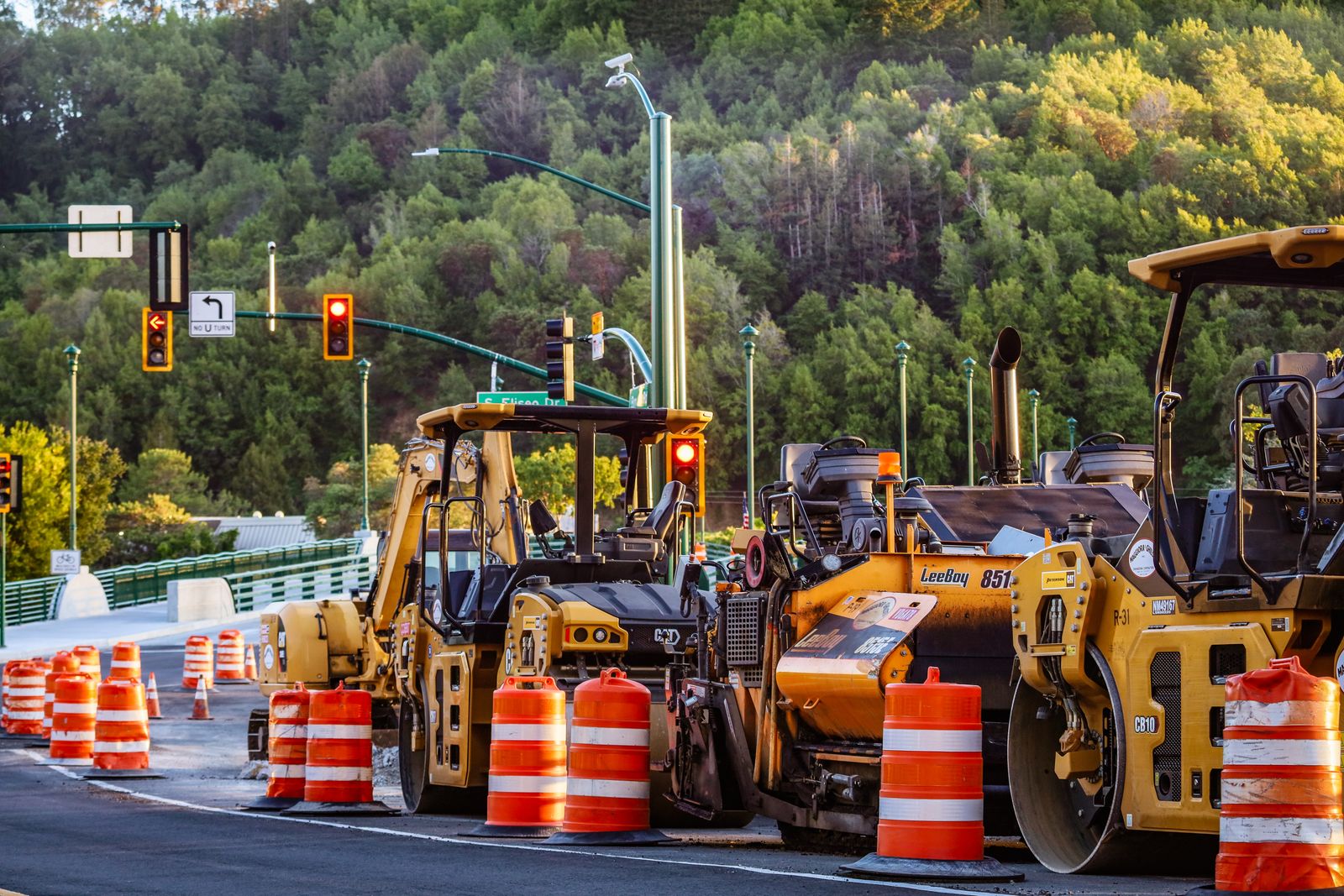
With a rock-solid foundation in place, paving machines roll onto the site to lay hot asphalt mix across the width of the route. Temperature control is paramount during this phase because asphalt loses its workability rapidly as it cools down in the open air.
Pneumatic and steel-wheel rollers follow closely behind the paver, smoothing out thermal segregation and locking the aggregate stones into a tight, interlocking mosaic. Operators monitor the thickness continuously to prevent hollow spots that would later turn into wheel ruts under heavy traffic.
Surface Finishing and Safety Lines
The final phase transforms a rough paved surface into a finished thoroughfare ready for public use. Fine aggregate friction courses are often rolled onto the top to provide adequate grip for tires during wet weather conditions.
Line-marking crews apply thermoplastic paints to designate lanes, pedestrian crossings, and hazard warnings with high visibility. Once the ambient temperature of the pavement drops back to normal levels, barriers are removed and the finished route opens to the world.



Watching the team handle the ground preparation on our access road was impressive. They did not rush the drainage work, and it has made all the difference during heavy autumn rains.
Marcus Thorne